By:Nanlin
1、 Stanford's First Encounter: A Chinese Native Speaker Enters the World's Top Writing Classroom
I first met Professor Zhang Yanshuo six years ago at the East Asia Library of Stanford University. At that time, she had just graduated from the PhD program in East Asian Language and Culture at Stanford University and was working as a teacher in the English Writing and Rhetoric Program (PWR) at Stanford University. PWR is a compulsory course for undergraduate students at Stanford University. As a native Chinese speaker, I was pleasantly surprised to find Yan Shuo working as an English writing teacher at a world-renowned university. At that time, Zhang Yanshuo excitedly and proudly talked about how she guided students from different cultural backgrounds at Stanford University to win awards in Stanford undergraduate writing and speech competitions, and even published articles in international research journals, greatly encouraging the diverse student population at Stanford. How did this young scholar, who grew up in Chengdu, Sichuan and started his undergraduate studies in the United States, integrate different cultures from around the world into his teaching and research?
2、 Crossing the Ethnic Corridor: Minority Art Enters American Universities for the First Time
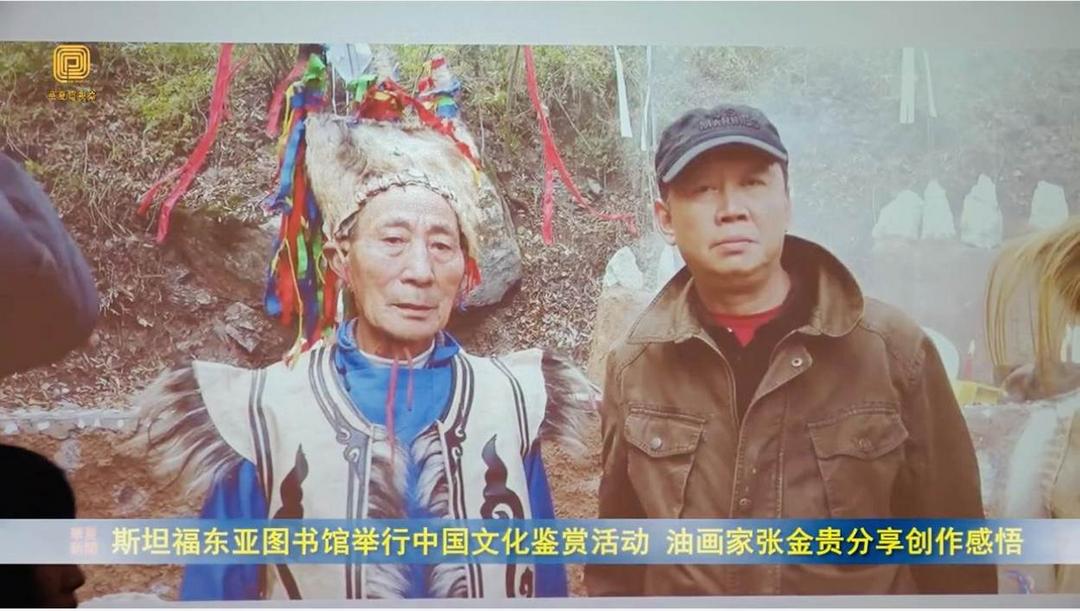
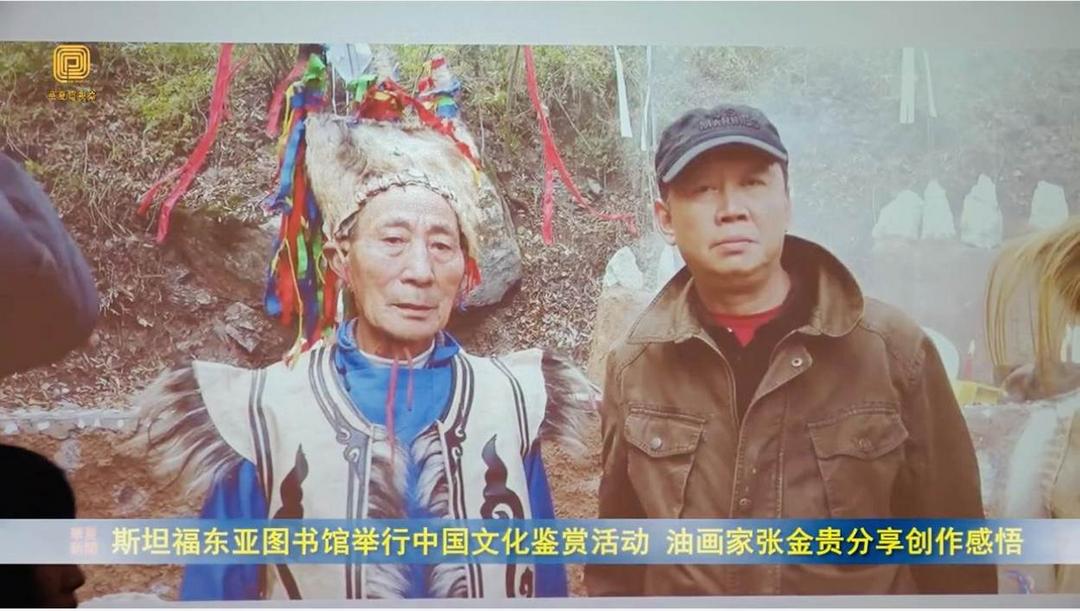
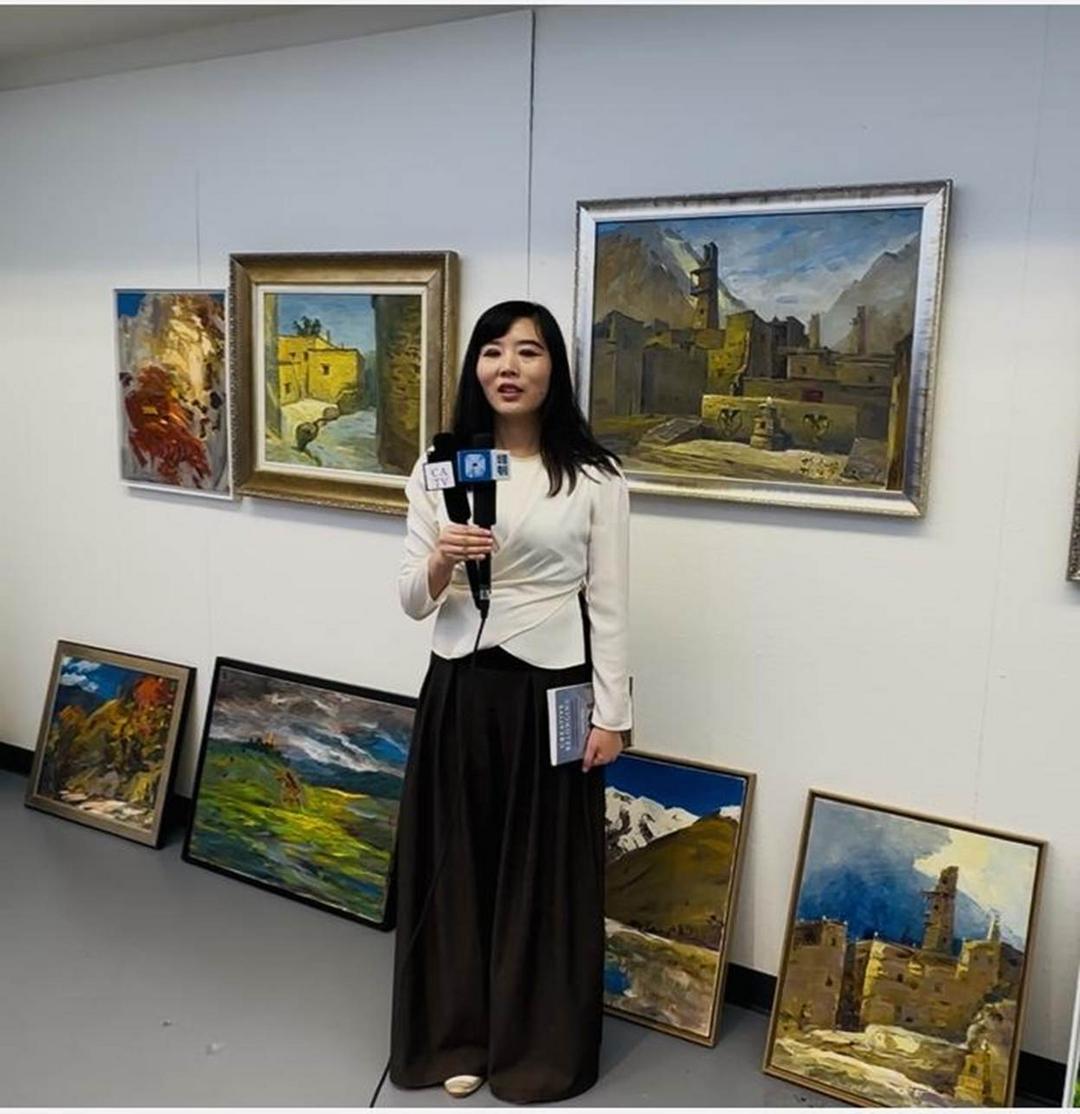
On November 21, 2019, the East Asia Library of Stanford University held a symposium on Chinese culture and art. Mr. Zhang Jingui, a Sichuan based artist, educator, and oil painter who graduated from Sichuan Academy of Fine Arts, served as the keynote speaker and shared his artistic creation insights. Mr. Zhang Jingui held a six-month personal art exhibition at the Stanford East Asia University Library in 2019. The exhibition is titled 'Crossing the Ethnic Corridor'. The art exhibition showcases Mr. Zhang Jingui's reflections and artistic presentations on the architecture, culture, and history of the Tibetan and Qiang ethnic groups in southwestern China over the years. This is the first Chinese contemporary artist to hold a personal art exhibition on Chinese ethnic minority themes at a renowned university in the United States. Dr. Zhang Yanshuo serves as the curator for this art exhibition. At that time, many teachers, students, and community friends from primary and secondary schools in the San Francisco Bay Area visited the art exhibition, and renowned scholars and art historians from Stanford participated in the academic discussions of the exhibition.

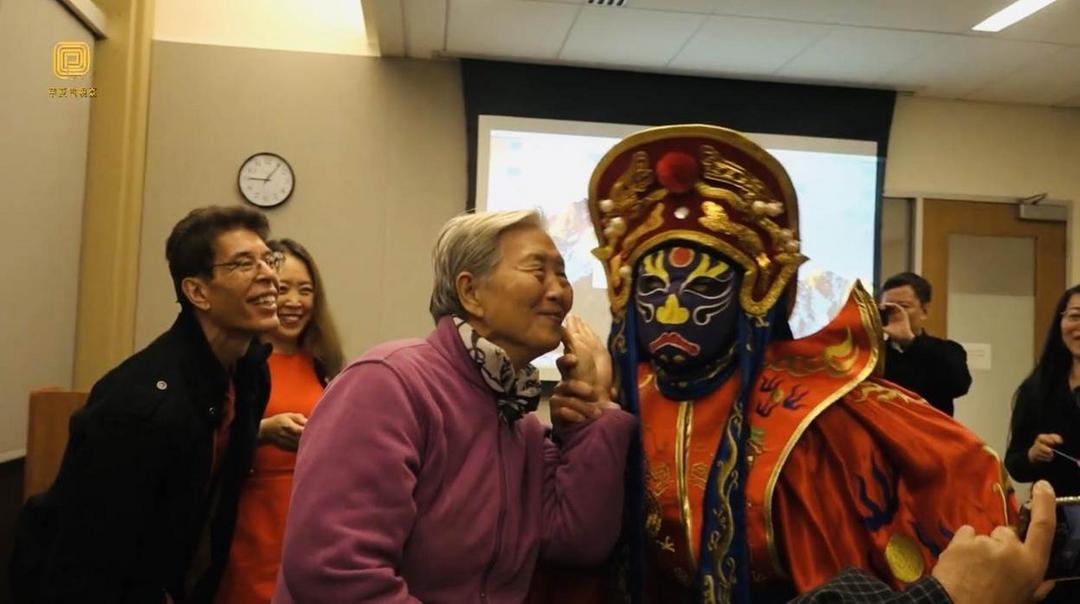
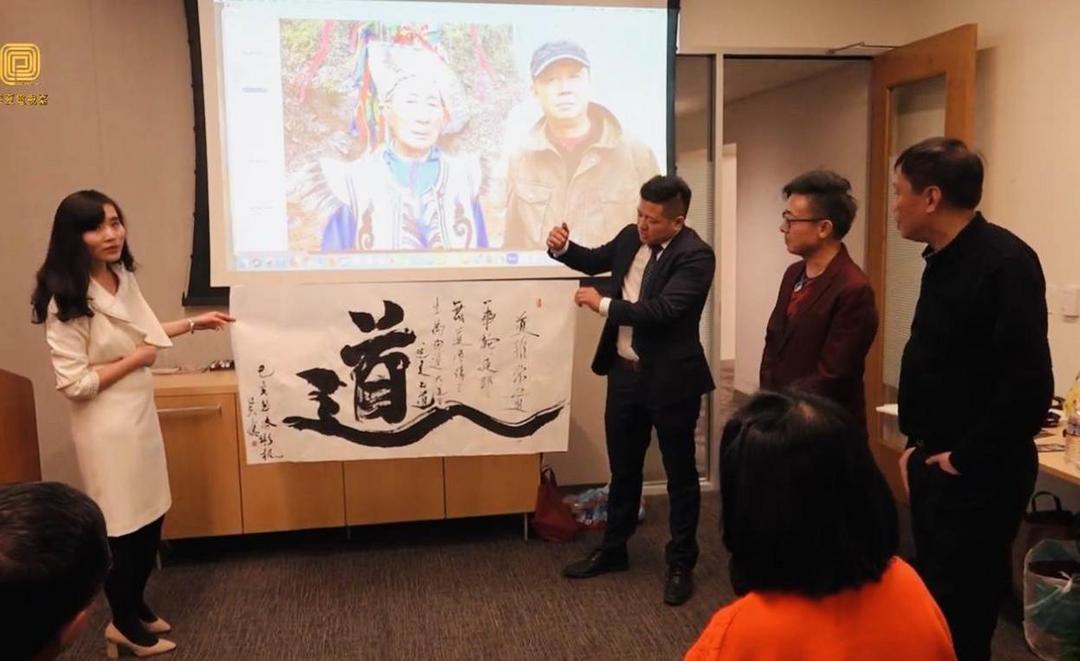
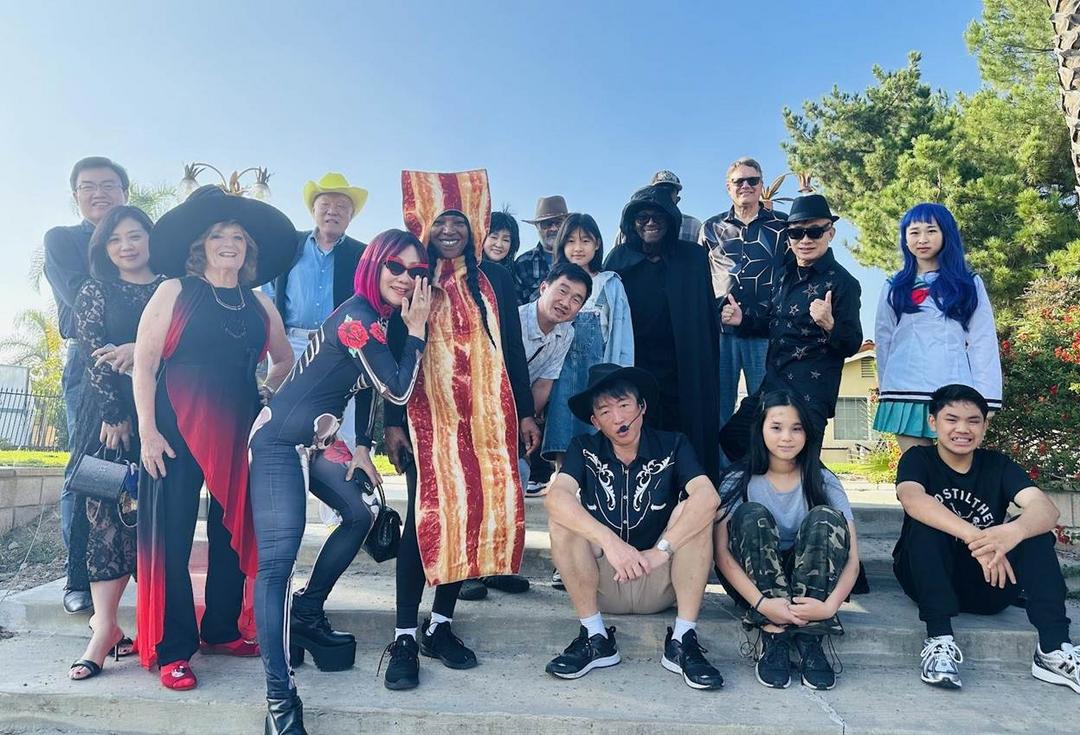
At that time, many senior figures from the media, film industry, and literary circles in Los Angeles, USA attended a unique event after the exhibition. These guests include: Arthur Peng, Vice Dean of the Hollywood Film Academy, writer, actor, and bilingual host; Nick Zhibin Wang, Sichuan Opera face changing performer; Peter Wang, representative of renowned phonological and calligraphic artist Professor Wu Shen; and Jeff Jianfeng Yin, senior journalist of China Television.
That was a unique and in-depth exchange activity of campus culture and art. The entire symposium was chaired by Dr. Zhang Yanshuo, with active participation from teachers, students, and people from all walks of life who are interested in Chinese culture and art at Stanford University and local Stanford. Mr. Zhang Jingui's works, with realistic and poetic strokes, depict the unique cultural architecture, customs, and historical memories of the Tibetan and Qiang ethnic regions, leaving a profound impression on me.

3、 From Stanford to Pomona: A Southern California Time Interwoven with Academia and Life
In 2023, Dr. Zhang Yanshuo settled down in Southern California and became a professor in the Department of Asian Languages and Literature at Pomona College in Los Angeles, California. He also invited me (Arthur Peng) and Peter Wang to her home for a guest exchange.
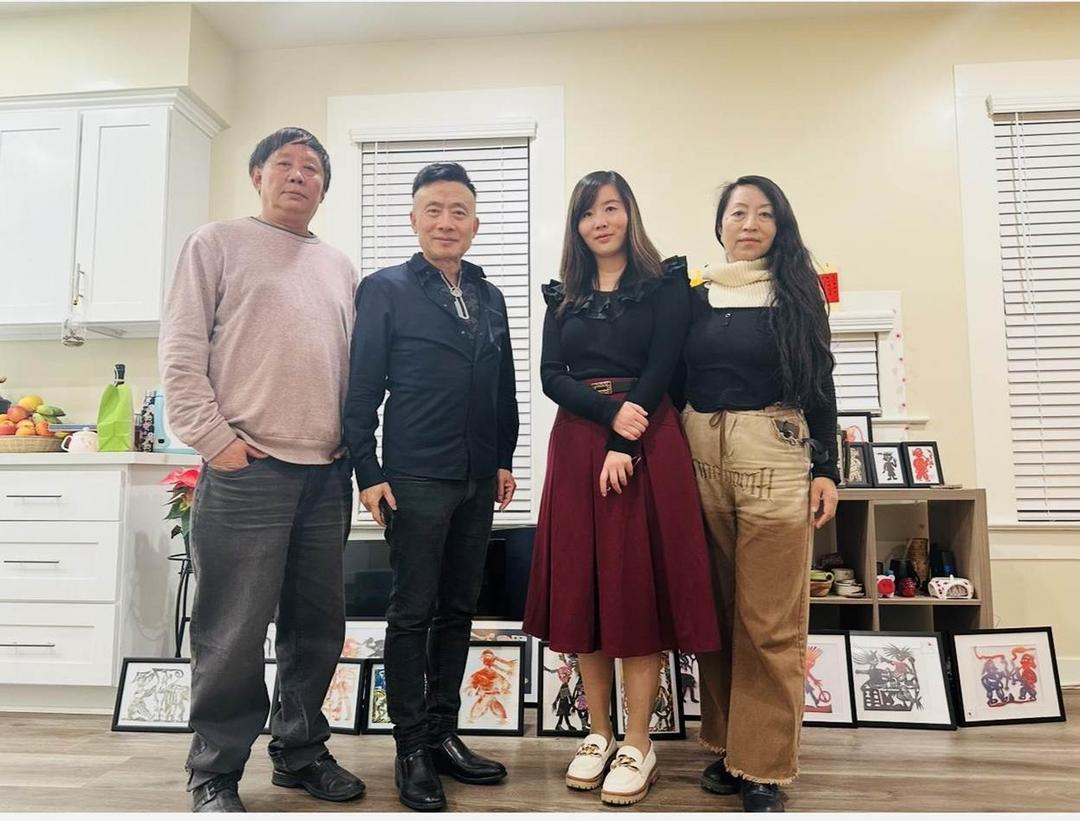
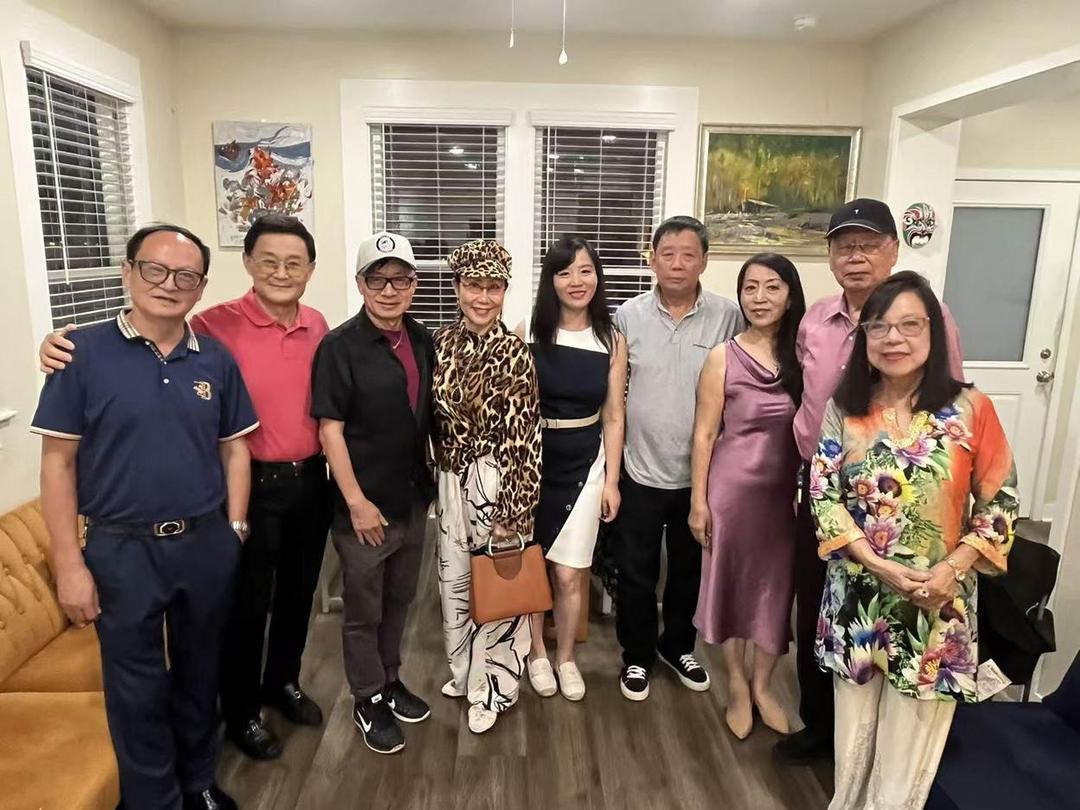
On October 10, 2025, Dr. Zhang Yanshuo invited friends from the Los Angeles arts and culture community to visit Mr. Zhang Jingui's studio and his latest creations together. On November 30th of the same year, I also invited Dr. Zhang Yanshuo, painter Zhang Jingui, and literary friends from the Los Angeles arts and culture community to hold a warm Thanksgiving gathering.
4、 ACLS Nobel Prize: Reshaping the North American Chinese Studies Classroom
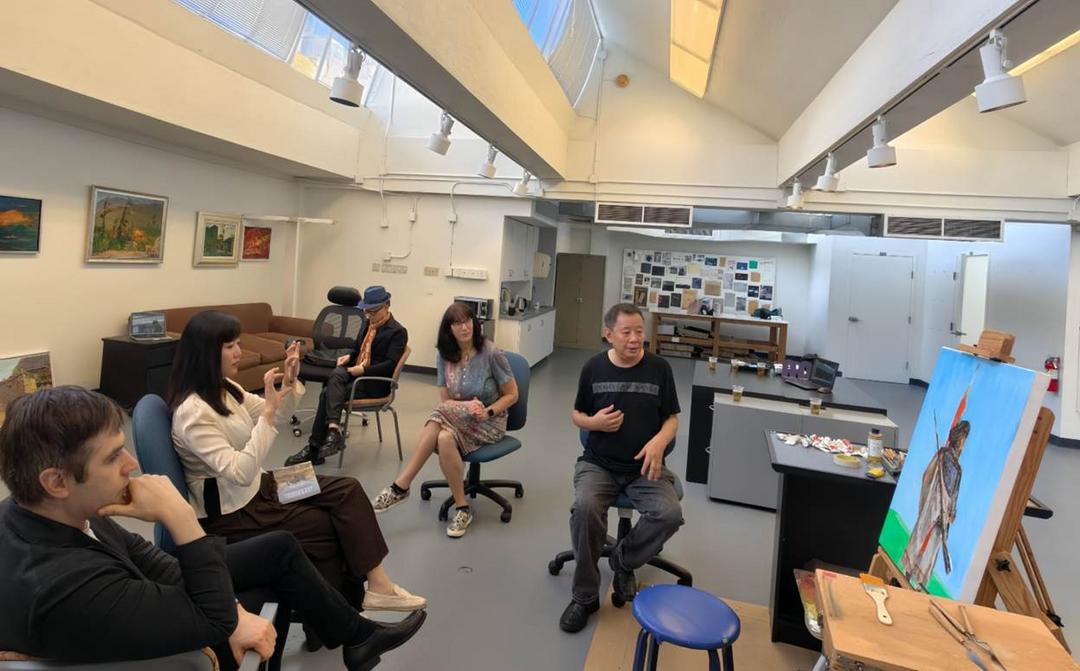
On December 14, 2025, Professor Zhang Yanshuo from the Department of Asian Languages and Literature at Pomona University in Los Angeles, California, held a special seminar to systematically introduce the academic project she planned, hosted, and won the only award in the United States for the first "China Research Collaborative Project" of the American Council of Learned Societies (ACLS) in 2024. ACLS was founded in 1919 and has 81 academic organizations under its umbrella. It is one of the largest and most authoritative academic groups in the humanities and social sciences in the United States, with profound influence in the field of Chinese studies in North America and even globally.


In 2024, ACLS will award the only major prize in the United States for the first "China Studies Collaborative Project" to Professor Zhang Yanshuo's project, "Resiliencing Humanistic Pedagogy in China Studies: Incorporating Ethnic Minority Literature and Cultural Productions into North American College Classrooms" ("Redefining Humanities Teaching in China Studies: Integrating Chinese Minority Literature and Cultural Works into North American University Classrooms"). This award is known as the highest academic honor at the Nobel Prize level in the field of North American Chinese studies. Professor Zhang Yanshuo became the first and only winner of the project in the United States in 2024. The project has been ongoing since 2024, and related research and teaching achievements are still being developed.
At the seminar, Professor Zhang Yanshuo stated that the project aims to promote Chinese minority literature, culture, and art works from a global perspective, with a particular emphasis on integrating the diverse Chinese ethnic culture into American university classroom teaching and humanities research. The project takes an interdisciplinary approach to place the study of China's ethnic minorities and their cultural diversity within the broader framework of global research on race, ethnicity, and identity, strengthening the deep connection between Chinese culture and the world's diverse cultures.
5、 Creative Attribution: A New Paradigm for Interdisciplinary Chinese Studies
At this seminar, Zhang Yanshuo and the main participants, collaborators, and professors from several well-known universities in the United States gathered together to explore how to integrate ethnic cultural elements into classroom teaching and teaching experiments. The seminar also showcased the original oil paintings of one of the important participants of the project, Mr. Zhang Jingui, a Chinese artist.
As one of the important artistic practice achievements of this award, the art exhibition jointly organized by Professor Zhang Yanshuo and Mr. Zhang Jingui is planned to be exhibited at the Humanities Gallery of Scripps College, a renowned liberal arts college in Southern California, in April 2026.

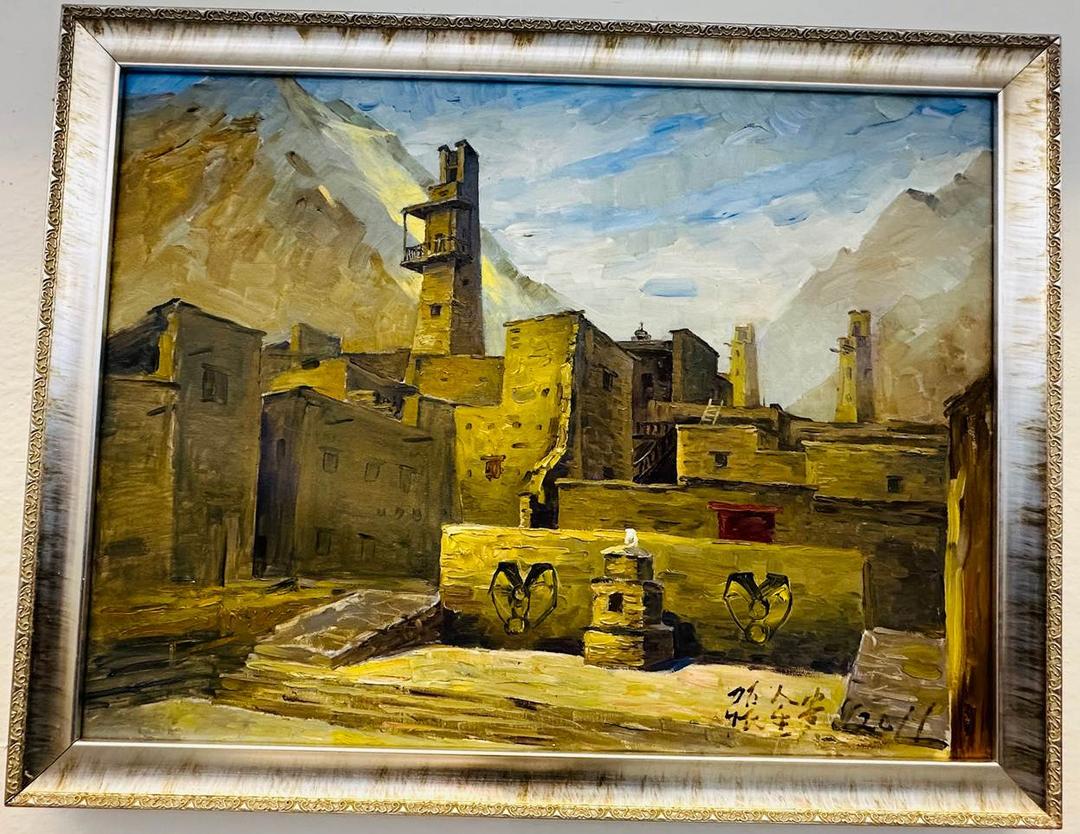
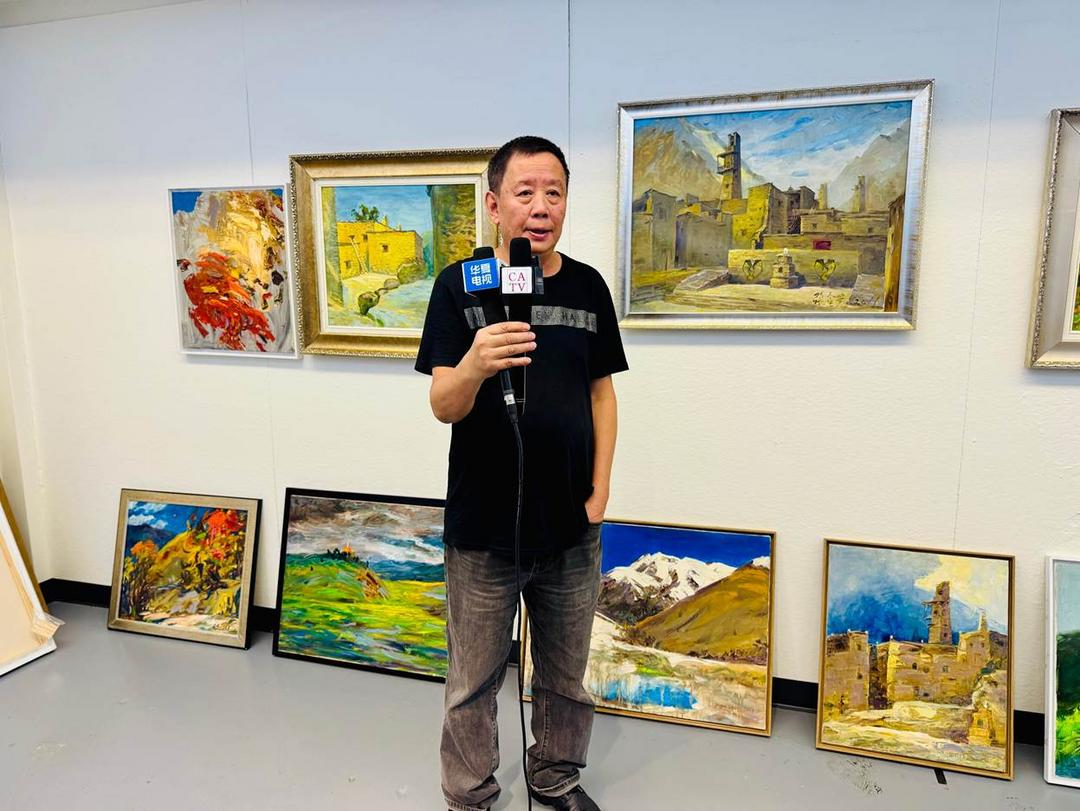
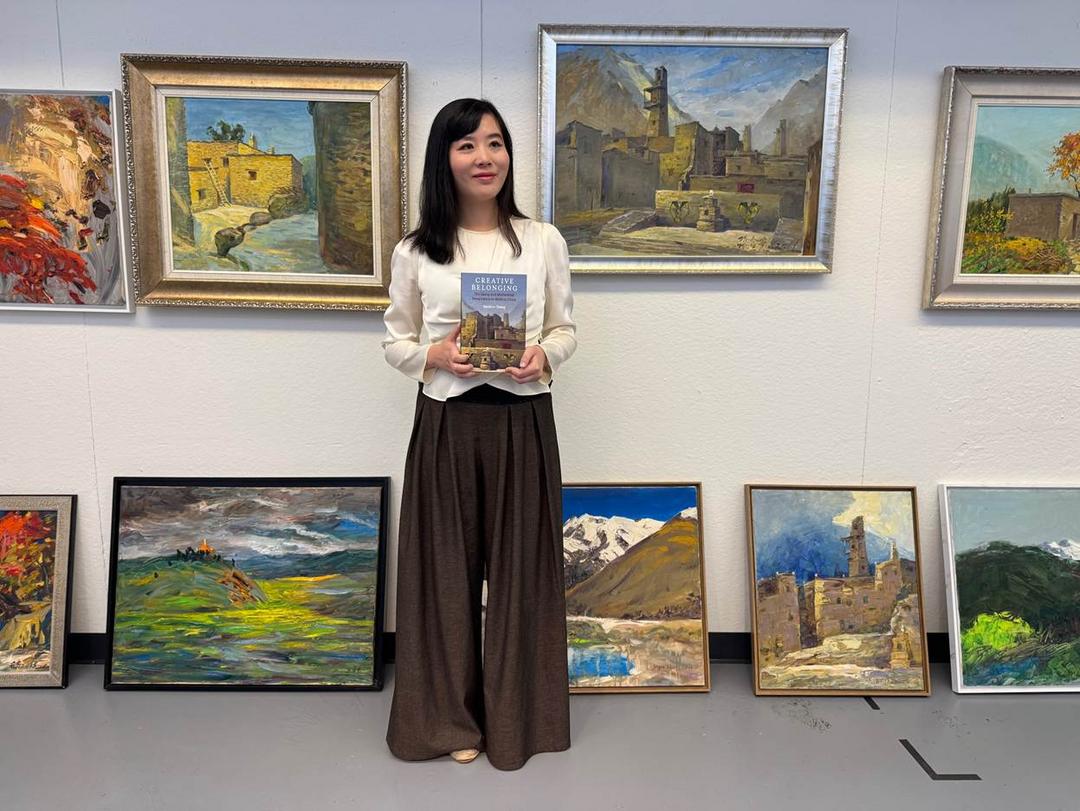
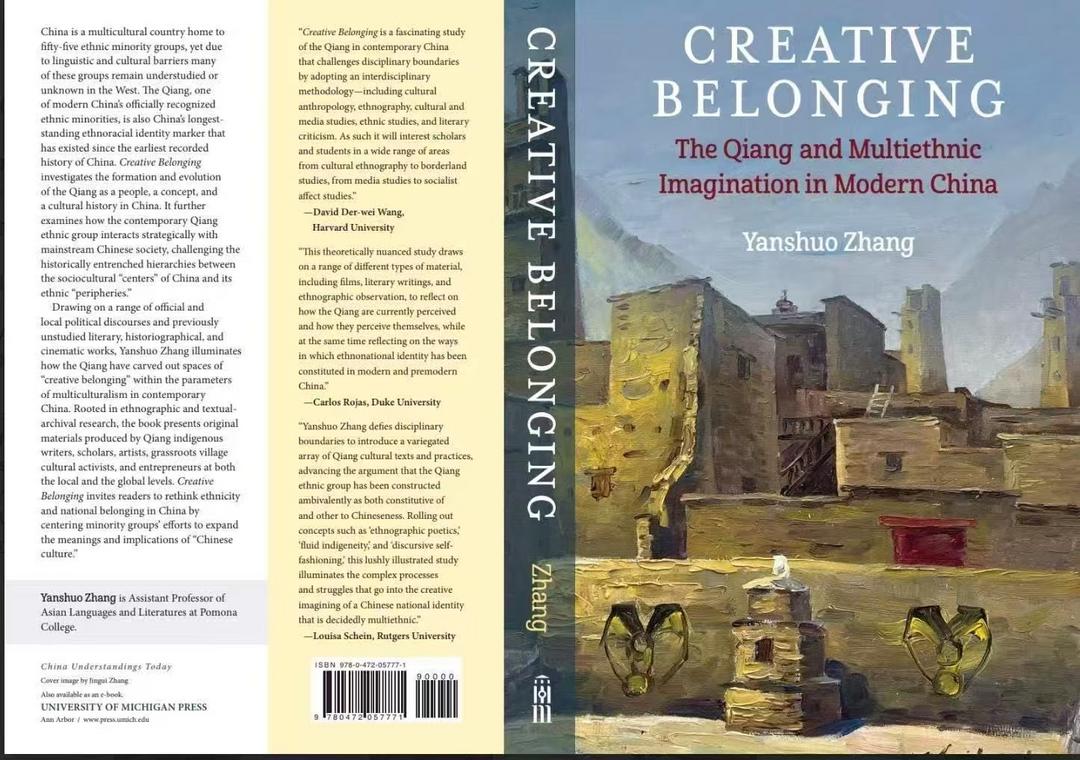
At the seminar, Professor Zhang Yanshuo also shared her personal academic monograph, "Creative Belonging: The Qiang and Multiethnic Imagination in Modern China," which will be published by the University of Michigan Press in January 2026. The book integrates multiple humanities disciplines such as literature, history, anthropology, and art, and explores in depth the formation and evolution of the historical concept of "Qiang", as well as how contemporary Qiang people have rooted themselves in history and creatively developed a new era of ethnic imagination in the interweaving of local, national, and global forces. From an interdisciplinary perspective, it reflects on the mutual shaping between nations, nations, and the world. The sentence is:. This work was created by Zhang Yanshuo through years of field research in the western Sichuan Plateau and Qiang ethnic areas, as well as translation and introduction of a large amount of cultural, historical, and artistic materials from both folk and official sources. Growing up in Sichuan, she followed her artist father Zhang Jingui to visit Tibetan areas and Qiang villages in western China since childhood, learning about the customs and culture of ethnic minorities and their diverse worldviews. After entering Stanford, Zhang Yanshuo focused his doctoral thesis topic on interdisciplinary research on ethnic minorities in China.
6、 Bringing Ethnic Minorities to the World: Translation, Art, and the Humanistic Imagination of the Future
Professor Dewey Wang, an authority in Sinology and a professor at Harvard University, praised the book as "Creative Belonging breaks down disciplinary boundaries, from cultural anthropology to media studies, ethnic studies, and literary criticism. It combines the strengths of various fields and achieves significant breakthroughs in interdisciplinary research. ”Professor Carlos Rojas, a renowned translator and scholar of Chinese literature at Duke University, believes that the Creative Belonging theory is refined and deeply reflects on the formation and identification of national and ethnic identities in both historical and modern China. ”Professor Louisa Schein, a renowned American anthropologist and one of the first scholars to study ethnic minorities in China after the reform and opening up, pointed out that "Creative Belonging breaks through disciplinary boundaries, introduces a large number of diverse Qiang cultures and practical texts, and through a series of theoretical innovations, deeply explores the issue of national identity in multi-ethnic China. ”The anonymous peer review also commented that the work "will profoundly redefine the field of Chinese research".
Professor Zhang Yanshuo convened scholars, professors, translators, artists, and folk scholars from both sides of the Pacific for the ACLS Award, which can be said to have a pioneering role in the field of China studies worldwide. One of the important collaborators of the ACLS Award hosted by Professor Zhang Yanshuo is Robin Visser, a professor of Chinese literature at the University of North Carolina in the United States. She translated and organized a large number of original literary works of Chinese ethnic minorities for the project, including Tibetan poetry and ethnic ecological literature. She has long been dedicated to the study of multi-ethnic literature in China. In her early years, she taught English in Guangxi and maintained deep contact with Chinese minority cultures over the years. Professor Zhang Yanshuo stated that the literary works translated and organized by the project team cover multiple regions and ethnic languages in China, and are closely related to humanities disciplines such as anthropology, religion, and history. The project aims to use these literary texts to guide diverse student groups in American universities to reflect on the survival space of ethnic culture in the process of globalization, transcend time and space, and reflect on how ancestral memories find a foothold in the increasingly commercialized and fast food era.


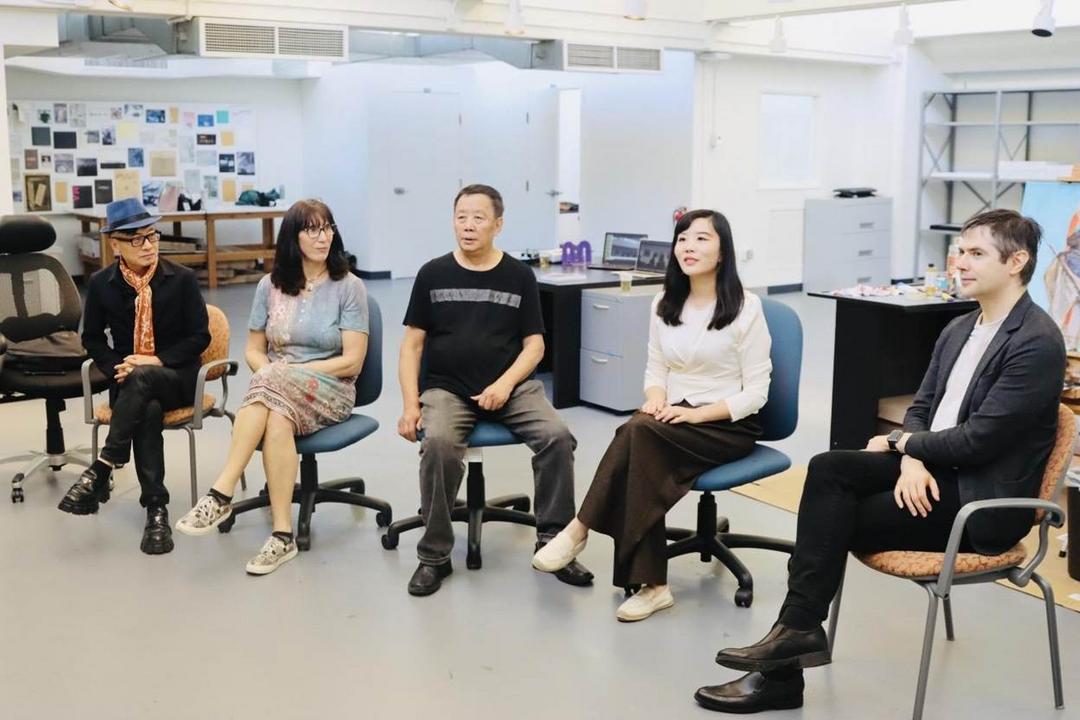
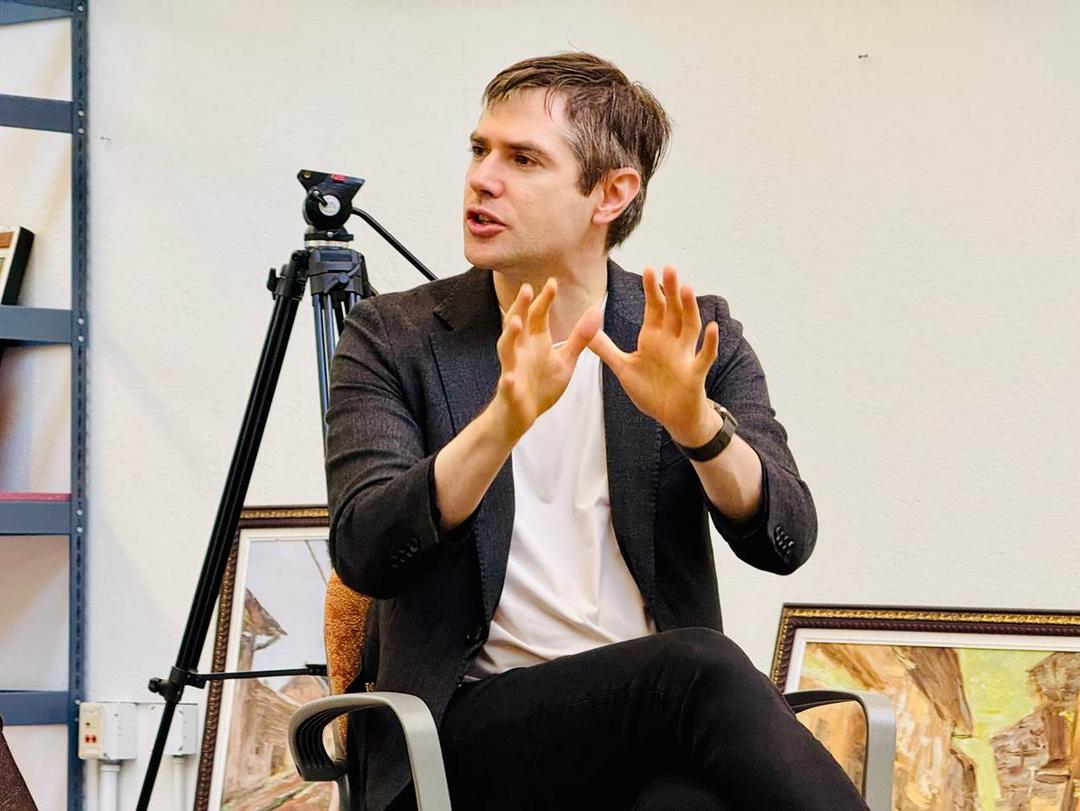
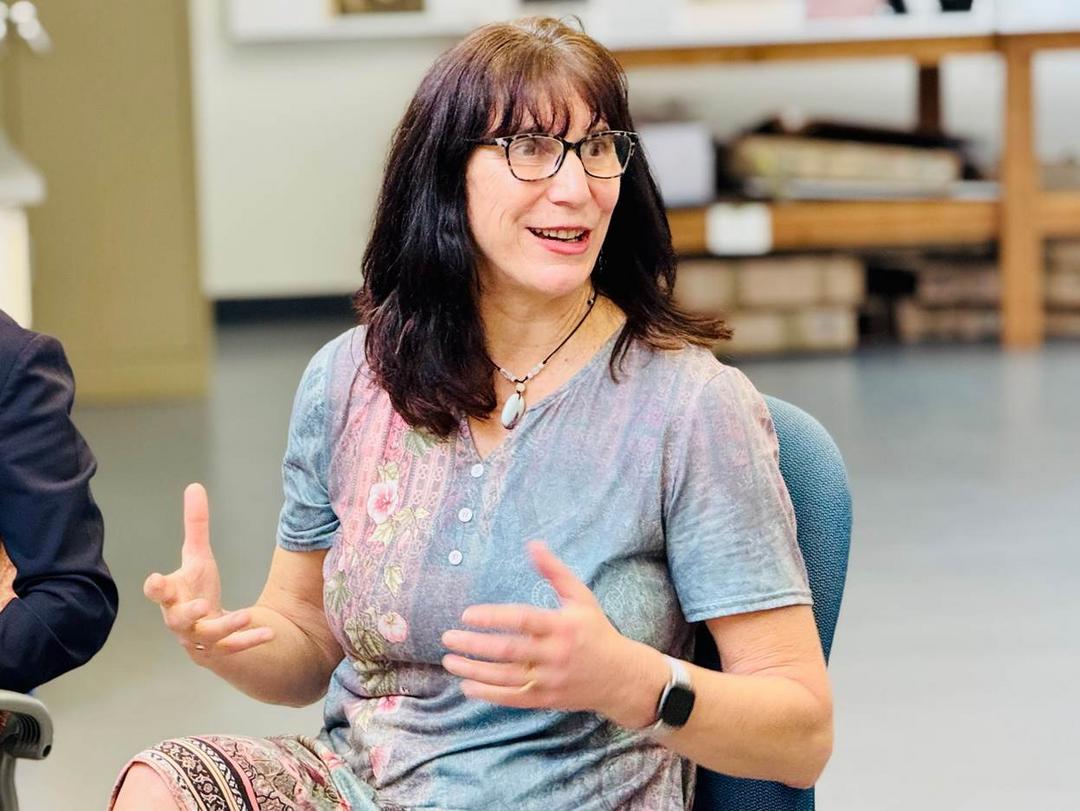
Professor Tristan Brown from the Department of History at MIT also participated in this seminar. Professor Zhang Zhongsi specializes in the history of the Ming and Qing dynasties. His first English monograph, Laws of the Land, was awarded the Fairbank Prize for East Asian History by the American Historical Society. In this project, he translated historical materials of Muslims in the Ming Dynasty, adding important historical depth and cultural diversity to the research.
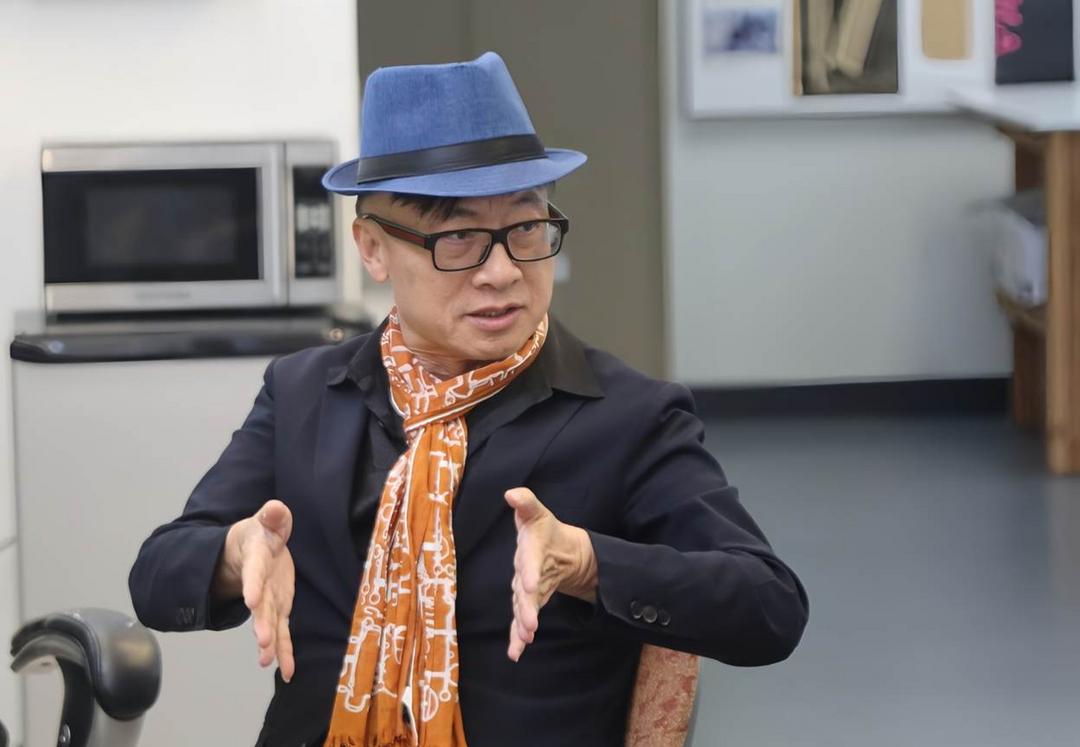
During the seminar, I also participated in the discussion with an anthropological background. I strongly agree with this research project that has anthropological depth and interdisciplinary perspective, and propose that more materials from Visual Anthropology can be introduced as an auxiliary tool in research and teaching. From the Qiang architecture described by Mr. Zhang Jingui, I associate it with a unique type of civil structure residential house in the Yi ethnic areas of central and southeastern Yunnan - the Tuzhang House. This type of building is built with stone as the wall foundation, using dry piling (rammed earth) technology to build the walls. The roof is made of wooden beams, boards, firewood, and clay compacted to form a flat top structure, which has multiple functions such as warm winter and cool summer, fire safety, roof drying of grains, and social interaction. Experts believe that similar architectural forms can also be seen in the residential areas of Native Americans in the Americas. These different architectural forms in different regions are more likely to originate from convergent evolution under similar natural environments and material conditions, rather than direct historical or cultural transmission relationships.

(Photo quoted from the internet: Yunnan Yi ethnic group Tuzhangfang)
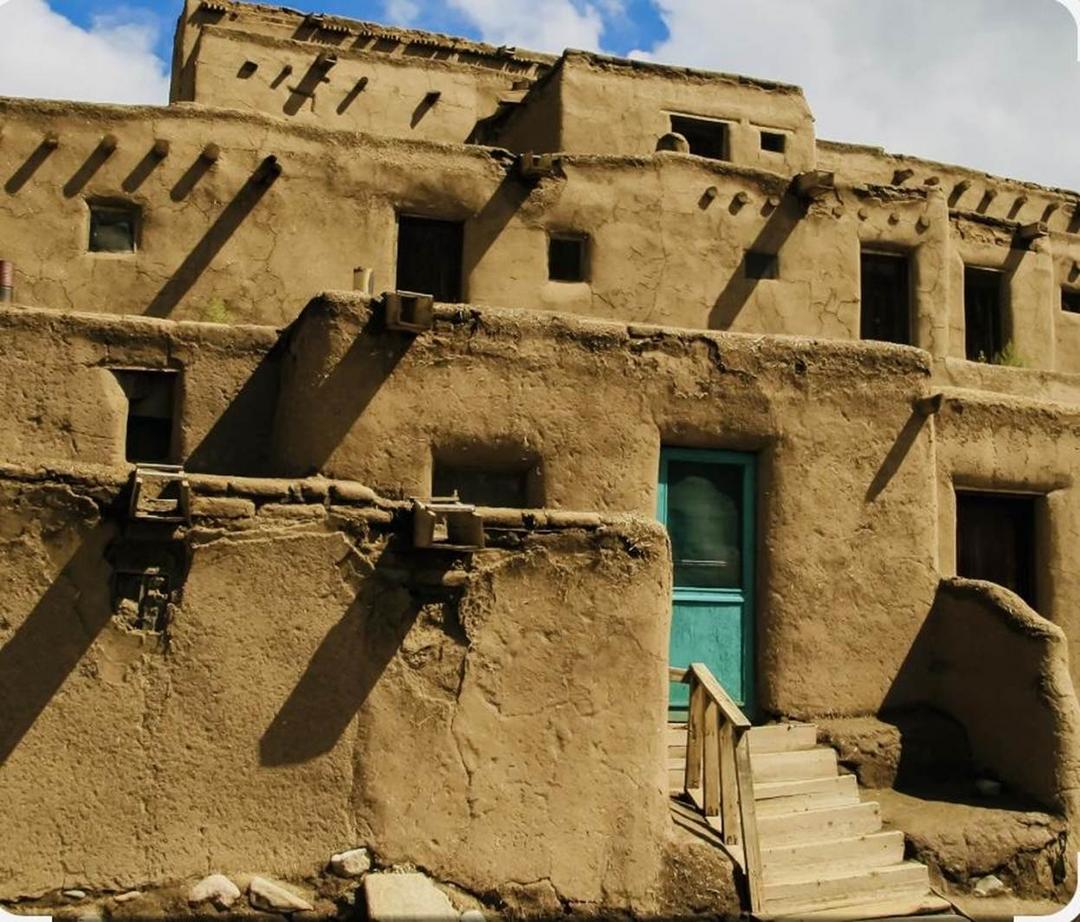
(Photo quoted from the internet: Native American architecture in New Mexico)
On the third day of the event, Professor Zhang Yanshuo invited international collaborators of the project to participate in discussions through an online platform. Mr. Wang Jiajun, an expert in Qiang folk culture from Taoping Qiang Village in Sichuan, shared his personal experience of dedicating many years to protecting ancient Qiang architecture. Mr. Wang Jiajun established the Taoping Qiang Village Qiang Ethnic History and Culture Museum, which collects local archaeological relics for a long time and tells the history and stories of the Qiang people with voices from the people. Professor Zhang Yanshuo and his student research assistant have translated Mr. Wang's nearly 200 page museum catalog into English, showcasing it to the world and planning to use it as an important teaching material for the future.
In addition, Professor Zhang Yanshuo also invited doctoral student Yao Jiaqi from the University of British Columbia in Canada to translate lyrics of contemporary Chinese ethnic popular music, inspiring students' interest in understanding and learning about ethnic minority cultures from a multimedia perspective. Yao Jiaqi shared the experience of minority singers relearning their own language in the process of music creation, and put forward the viewpoint of "cultural diversity of ethnic singers", injecting a fresh and contemporary cultural perspective into this project
In just a few years, Zhang Yanshuo quickly grew from a doctoral student with extensive knowledge in various fields of humanities at Stanford University to a young scholar who led an international research team and won the top academic award in the United States. Her growth has witnessed the process of Chinese international students, especially humanities students and scholars, entering mainstream American society and having a profound impact on American culture, education, and various sectors of society. In the past, when it came to Chinese international students, we often focused our attention on the high-tech and scientific fields. However, in the diverse 21st century, Chinese humanities scholars and their research should also be taken seriously. If technology can directly affect people's lives, then humanities and arts disciplines can reshape people's hearts, inspire people from different cultures to understand each other, respect differences, and move towards unity.
Zhang Yanshuo said that during her doctoral thesis, "ethnic studies" were not popular. In the field of pure humanities research, which Chinese international students have rarely ventured into, choosing another "niche" topic, Yanshuo has persisted in his inner passion for many years, never giving up even in the face of challenges and doubts. She said that perhaps because she has been traveling in vast ethnic regions since childhood, there is always a call in her heart to introduce China's rich and diverse ethnic cultural heritage to the world academic community. Presenting the rich and vibrant historical and cultural heritage and creativity of the multilingual ethnic minorities on Chinese soil to the world in a form that can be understood by readers and scholars worldwide, making the literary, artistic, and material cultural products of ethnic minorities an indispensable part of Chinese research and teaching in North America and even globally, breaking some of the single and flat perceptions of Chinese culture, is a main axis of the academic path of Yanshuo. Winning the ACLS Award this time, Yan Shuo believes that it represents the future direction she has been pursuing to combine the diversity of Chinese ethnic culture with the diversity of world cultures.
The more national it is, the more global it is. "Perhaps, Zhang Yanshuo's growth story also tells us that the more it comes from the heart, the more enduring it is.
(Photo by Sun Weichi, Jeff Yin, Allen Wang)