


——Preface to the Chinese medical work "Life Health Care"
Wu Zhiliang
As the 800000 word traditional Chinese medicine book "Life Health Care" highly recommended by Mr. Qian Xinzhong, the former Minister of Health of the People's Republic of China, is about to be published in Macau, the author entrusted someone to give me the first edition of the original manuscript sample book in mainland China, and I gladly agreed to write the preface.
Mr. Qian Xinzhong, the former Minister of Health of the People's Republic of China, strongly recommended the 800000 word traditional Chinese medicine book "Life Health Care".
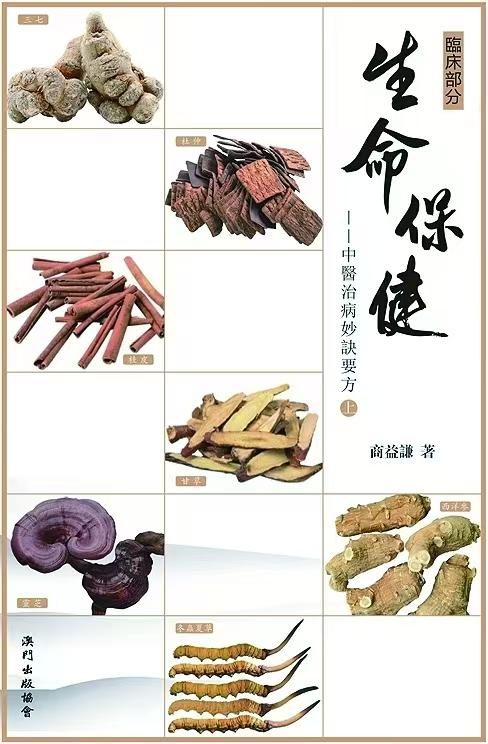
Out of admiration for the excellent traditional Chinese medicine culture of our country, I browsed through this great book on my desk and was inspired by the author's 70 years of practice in treating diseases and saving lives, and 10 years of dedicated writing. I would like to share some profound feelings about this book.
First, let's talk about the reasons why Minister Qian Xinzhong attached great importance to this manuscript.
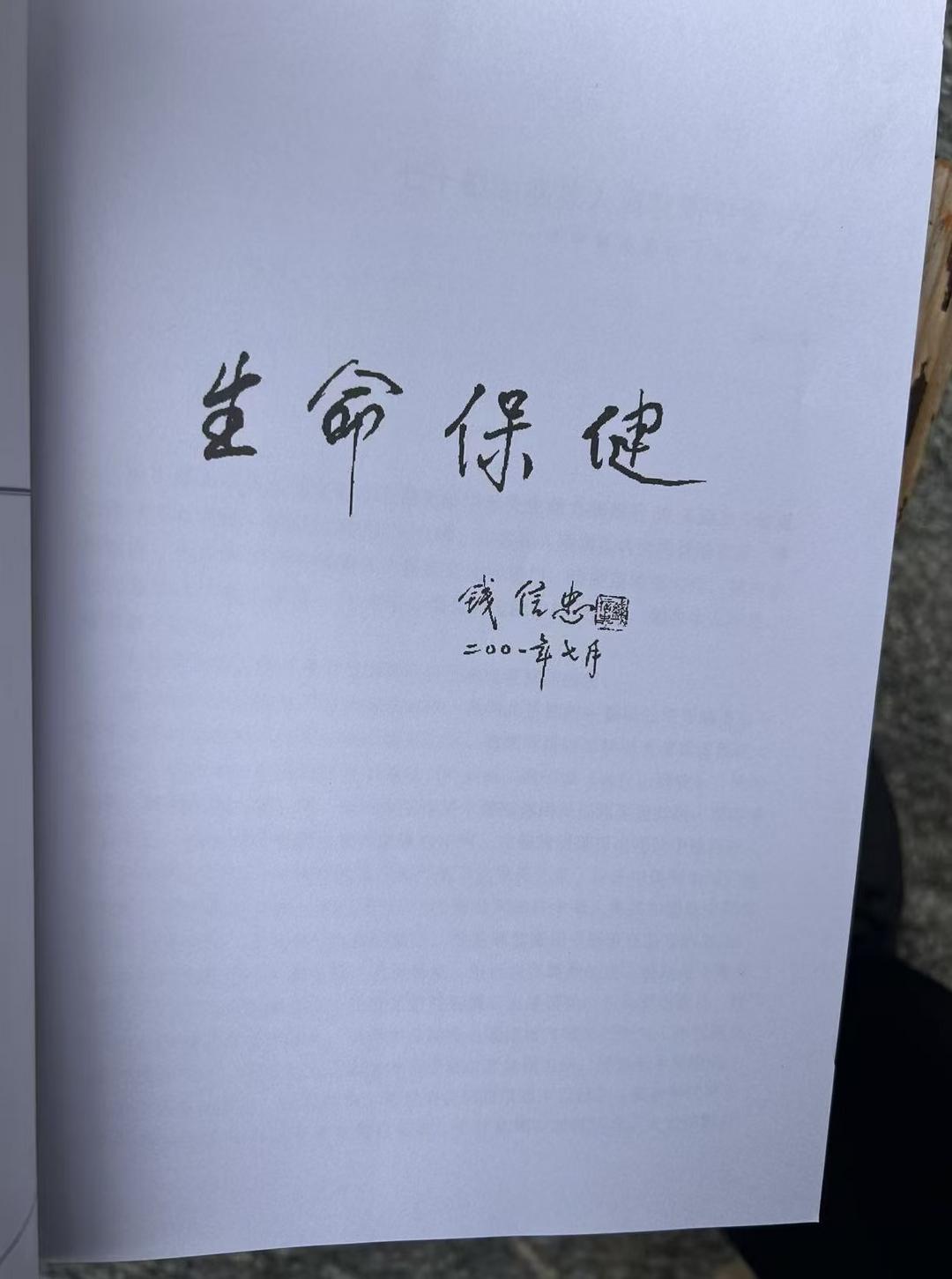
Mr. Qian Xinzhong highly values and approves of this manuscript, which is inseparable from his long-standing deep affection for traditional Chinese medicine. At the beginning, he was responsible for the hygiene work of the 129th Division of the Eighth Route Army. When he crossed the Yellow River from Hancheng, Shaanxi to root in the Taihang Mountains with the troops, he investigated and collected more than 200 kinds of Chinese herbal medicines in the Taihang Mountains, compiled and printed them into "Taihang Mountain Medications", and compiled "Essentials of Practical Medications", etc. He maximized the application of traditional Chinese medicine in the rescue of wounded and sick soldiers and achieved great success. He knew the role of traditional Chinese medicine in saving lives and helping the wounded. In the army, he clearly proposed to unite Chinese and Western medicine personnel, oppose the disdain for traditional Chinese medicine, and the pharmaceutical factories under the management of the health department produced many traditional Chinese medicine preparations for battlefield treatment. After the founding of the People's Republic of China, Mr. Qian Xinzhong, who served as the Minister of Health of the People's Republic of China in 1965 and 1979 respectively, attached great importance to the popularization of traditional Chinese medicine at the grassroots level during his 8-year ministerial career. Mr. once organized training for semi farmers and semi doctors in rural areas, conducted mobile medical services, and implemented a cooperative medical system. Especially after Chairman Mao Zedong's "626" talk about the focus of medical and health work in rural areas, as the Minister of Health, Qian Xinzhong quickly put forward the "Report on Focusing Health Work in Rural Areas" in the name of the Party Committee of the Ministry of Health based on Mao Zedong's opinions. At the same time, he personally reported his work to Chairman Mao Zedong and was praised by him, holding high expectations for his work. After the end of the Cultural Revolution, Qian Xinzhong, who suffered persecution, did not feel sorry for himself. He enthusiastically served as the Deputy Minister of Health until 1979 when he resumed his position as Minister. He insisted on advocating the integration of traditional Chinese and Western medicine, vigorously promoted the development of traditional Chinese medicine, and once again expressed his feelings for traditional Chinese medicine, making the national health and medical care enter a new stage with a solid foundation and stride forward. It is precisely with such deep emotions that when I saw Mr. Shang Yiqian's manuscript of traditional Chinese medicine, I eagerly read it in detail. Despite being old and recovering from illness at the time, he spent a lot of effort reviewing the manuscript on his bed and couldn't help but praise it greatly. He not only wrote the title of the book, but also filled it with love and praise for future students, personally writing the "words of the recommender". What glory and encouragement is this for Shang Yiqian, who has long been rooted in grassroots practice of traditional Chinese medicine in treating diseases and saving lives!
Let's talk about the difficulty of writing this book and its significance for the health and well-being of the general public.
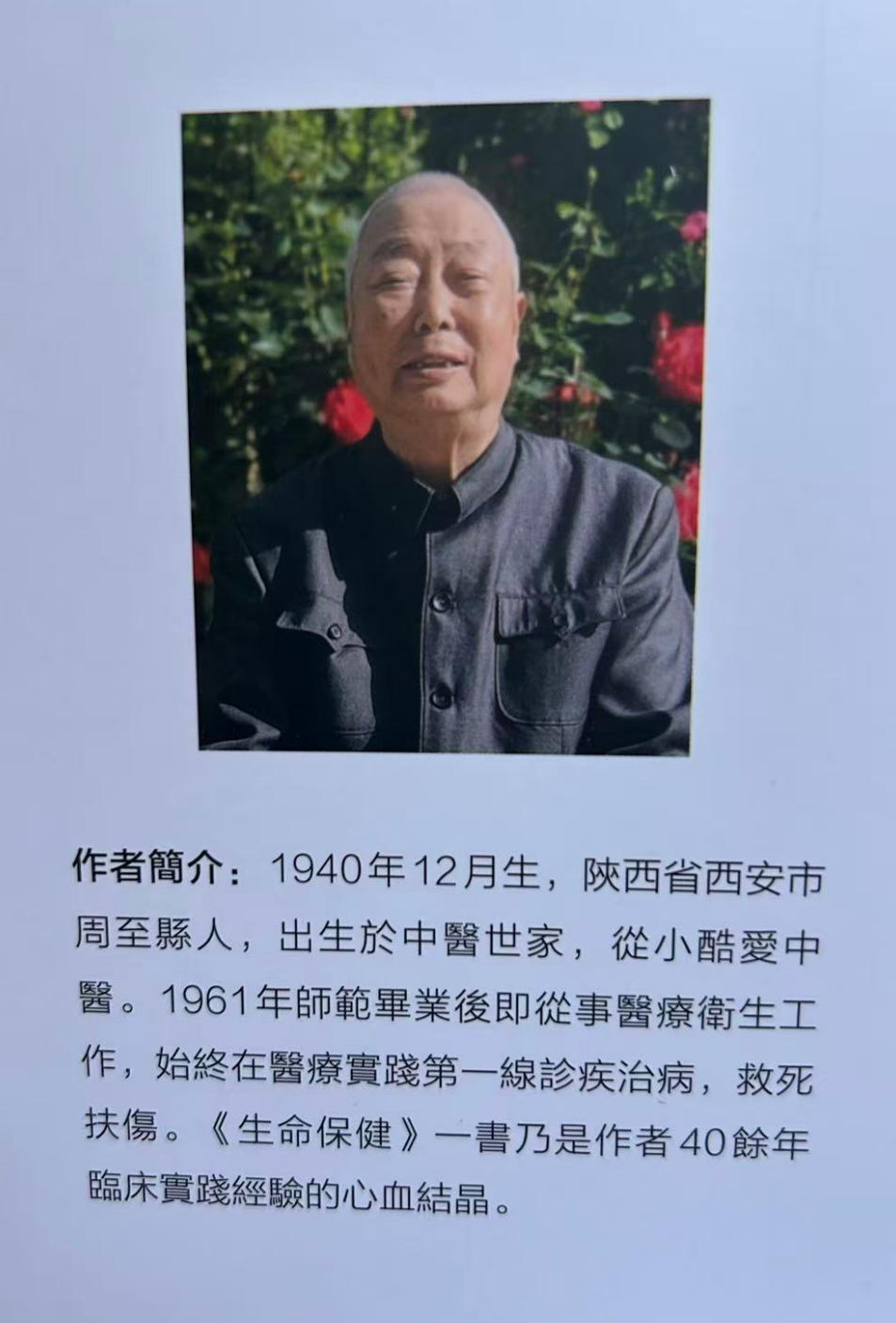
Mr. Shang Yiqian, the author, comes from a family of traditional Chinese medicine practitioners. At the age of 16, he began to engage in frontline practice of treating and saving lives. Seventy years have passed, and there are more than tens of thousands of ways to help the world and its people. Over time, with the accumulation of medical records and prescriptions, the author has honed his medical skills to the point of perfection. With every skillful move, he has achieved enlightenment, thanks to his lifelong dedication to treating illnesses and saving lives. The author is at the grassroots level, living among the vast laboring masses for a long time, sharing weal and woe, threatening himself, integrating himself into the soil of the people, insisting on walking on the path of combining with the workers and peasants, learning, researching and pursuing, working hard, and writing about the land of mountains and towns with hard work, and praising the preciousness of life with life.
All things in the world have their inevitable causes. Mr. Shang Yiqian's hometown is located at the foot of Mount Taibai in the Qinling Mountains, the dragon vein of the Chinese nation. It is backed by the Cuifeng Mountain in Zhongnan and overlooks the Wei River and the 800 mile flat river. As the saying goes, "The Yinling Mountains in Zhongnan are beautiful, the snow floats in the clouds, the forest shows a clear color, and the city is filled with the cold at dusk." Such a natural environment endows him with a broad mind and a passion for all beautiful things. He was born into a family of traditional Chinese medicine practitioners. On page 420 of the Zhouzhi County Annals, it is recorded that "In 1963, Shang Zaiting was recognized as a famous old Chinese medicine practitioner in Shaanxi Province by the Shaanxi Provincial Health Department." Growing up, he was influenced by his ancestors' treatment of diseases and living people, which naturally shaped his life philosophy of following his father Shang Zaiting to devote himself to the traditional Chinese medicine culture of treating diseases and saving lives. The goal is set, no matter how difficult the path of learning and practice may be. In 1962, he graduated from a normal school and became a teacher. At the same time, he began to study the theory of traditional Chinese medicine to treat diseases and save lives. In addition to teaching work, I work hard to study traditional Chinese medicine classic literature. During the day, he devoted himself to teaching and educational administration work (due to the emphasis on improving cultural quality, uniting and stimulating teachers' work enthusiasm, the education quality of the school he attended was among the best for many years). At night, whenever he had free time, he would pick up a lamp and study traditional Chinese medicine theory diligently. In just five or six years, he read through a series of thread bound literature and modern versions of books such as "Huangdi Neijing", "Treatise on Cold Damage and Miscellaneous Diseases", "Golden Mirror of the Medical School", "Compendium of Materia Medica", "Treatise on Warm Diseases", "Treatise on Warm Diseases", "Warm Diseases", "Warm Meridian", "Jiyang Compendium", They have all reached the level of thorough reading and memorization, thus laying a solid foundation in medicine. While self-learning traditional Chinese medicine theory, take time to travel around during holidays to search for famous doctors and accompany my father for consultations, applying the theoretical knowledge learned to clinical practice. So, he devoted a lot of his spare time to treating patients seeking medical treatment. Stability is the key to achieving great things, and seeing more is the key to broadening one's horizons. Coincidentally, the first patient he treated was actually his own uncle. At that time, my father was too busy with medical treatment, and my uncle, who was seriously ill, saw that he couldn't get rid of him. He asked him for treatment, which was also a test of what he had learned. He carefully followed the rules of "look", "smell", "ask", and "cut", and opened a small Chaihu Tang with modifications, but unexpectedly a miracle occurred. After recovering from illness, my uncle would tell everyone that my nephew has achieved great success. Thus, he gradually embarked on the path of clinical practice.
Due to careful diagnosis, thorough analysis, and scientific and reasonable medication, many common diseases have been cured, and some difficult and severe patients have miraculously recovered their health after taking medication.
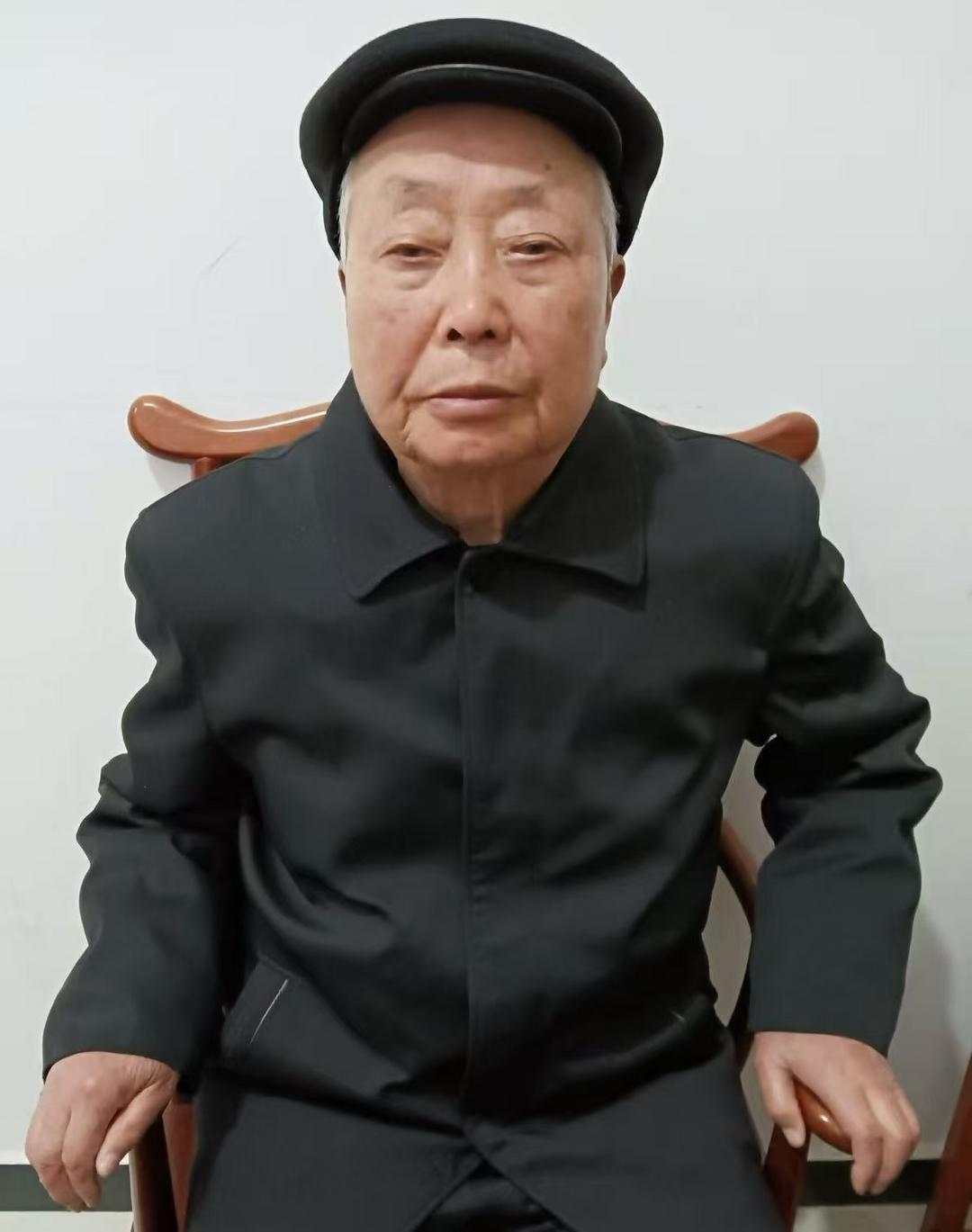
Mr. Shang Yiqian still remembers a story like this - in the winter of 1968 during the Cultural Revolution, on a Sunday, he went up the mountain to cut firewood. As it was getting dark, he carried the burden of firewood and walked down the mountain, walking on a rocky and bumpy road. When he turned and changed shoulders, he suddenly heard someone crying. He followed the sound and found a lonely dilapidated thatched hut halfway up the slope, from where the crying came. What exactly happened? He quickly put down the firewood and almost climbed up the slope of the mountain path. Upon entering the room, it turned out to be a two or three year old boy from this family who was suffering from a high fever, wheezing and coughing uncontrollably, and was at risk of suffocation at any moment. But this household is in dire straits and doesn't even have a small piece of prescription paper. He took out an empty pack of sheep cigarettes from his pocket (at that time, a pack of sheep cigarettes cost eight cents), tore it open and spread it on his lap, and wrote a prescription for the child. However, the owner was worried about not having enough money to buy medicine. Shang Yiqian opened all his pockets and found only three triangular coins, which he stuffed into the father's hand, urging him to quickly go out to buy medicine
Two weeks later, when he went up the mountain again to cut firewood and passed by here, the male host saw his figure and hurriedly ran over to stop him. His face was full of gratitude, and he forcefully pulled his hand into the house. It turned out that the father of the child ran dozens of miles that night and grabbed medicine for the child at the Cuifeng Commune Health Center. The child took a head decoction and the fever subsided in the second half of the night, and the coughing and wheezing also eased a lot. After the second decoction, the illness was basically cured. The father of the child pointed to the child playing with stones on the ground and said, "You are such a good person. I am so grateful to you." He said that he only spent 28 cents on medicine that night and insisted on giving the remaining blue two cent banknote to Shang Yiqian. However, Shang Yiqian still stuffed the two cent banknote into the father's hand. The father of the child used a large bowl of coarse porcelain to bring a kind of hot tea called "Pinching Unequal Grass". They drank the tea and chatted for a while. The father of the child helped Shang Yiqian to cut firewood on the slope. Before leaving in the afternoon, he also gave Shang Yiqian a dry tree root weighing over 10 pounds that could be used as firewood.
More than thirty years have passed, and later it was heard that the child was admitted to university, stayed in the city after graduation, and brought his parents into the city.
Later on, people came along the mountain to seek medical treatment, saying that the area had long been converted from farmland to forests. The scattered residents in the mountains had already moved away, and the once barren mountains were now shaded by green trees, with a lush and verdant landscape.
With the increasing number of patients seeking treatment and the implementation of syndrome differentiation and treatment, the high cure rate directly led to Shang Yiqian being officially transferred to the health system in 1983. Although he has served as the director of Cuifeng Township Health Center, the director and vice president of the county health school outpatient department, he often travels to farmhouses along the mountains, towns and villages, and works tirelessly on the front line of medical work to diagnose and treat patients.
Through decades of medical practice, I am aware of both the joys and sorrows, and can be described as having a lot of joy amidst the hardships. Shang Yiqian has accumulated a wealth of clinical experience, worked diligently, and continuously improved his medical skills. I feel relieved and happy to see many difficult and severe patients being cured by myself. At the same time, I also deeply feel the heavy burden on my shoulders.
As a folk doctor, the main service targets are rural grassroots people. It is the responsibility and honor of Shang Yiqian to cure their diseases. As a Communist Party member, it is also a duty that should be fulfilled. During his medical practice, he witnessed firsthand the torment of diseases on the human body. The pain of patients, the sadness of family members, the grief and separation of some families caused by the illness of their loved ones, economic bankruptcy, living difficulties, etc., constantly hurt his heart. Relieving patients' pain and saving lives has become his greatest wish.
How to maximize the relief of patients' pain and provide them with a brand new healthy life. After a long period of contemplation, he decided to write a Chinese medicine treatise that is easy to understand, well-organized, and directly applicable to clinical practice. In a situation where material and economic conditions are extremely difficult, life is difficult, information is lacking, leg diseases make it difficult to walk, and medical services are very busy, I have to squeeze time, sleep and forget to eat, and devote myself wholeheartedly to writing this manuscript.
Writing a manuscript is undoubtedly an extremely rigorous and arduous task. The sweat and effort put in to enhance the scientific value and feasibility of the manuscript are completely imaginable. For example, in order to understand the causes and seek patterns of abnormal phenomena and special symptoms that occur during the diagnosis and treatment process of certain diseases and the development and changes of diseases, he racked his brains, reasoned and analyzed, browsed through materials, studied seriously, and often stayed up all night, as if lost in thought. When writing the medication section, he risked his life multiple times to verify the optimal dosage of some drugs. One time, he suffered from severe diarrhea and coma due to excessive consumption of croton cream. With a tenacious spirit of hard work, he persisted day after day, year after year, month after month. When he was excessively tired, he washed his head with cold water. He endured mosquito bites in summer and frostbite in many parts of his hands and feet in winter, and forgot to sleep and eat. After ten years, he changed his manuscript several times, fell ill several times, and finally wrote a traditional Chinese medicine monograph of over 850000 words - "Life Health Care".
Of course, the completion of 'Life Health Care' relied on decades of medical practice, and also benefited from Shang Yiqian's indifferent attitude throughout his life. He had no other good ways of dealing with the world, except for his habit of becoming addicted to books. His reading range is diverse, covering literature and history, novels, current affairs books, and newspapers, such as "Zizhi Tongjian" and "Shiji Jinghua", as well as books on the Han Dynasty, the old and new Tang Dynasty, Tang poetry, Song ci, the four major classical Chinese novels, and the collection of Lu Xun's works. I often find it hard to put down books related to military themes, such as "The Art of War" by Sun Tzu, "Annotations on Sun Tzu from the Eleven Families", "The Thirty Six Stratagems", famous Chinese and foreign military examples, and the military strategies of famous generals. It is these seemingly unrelated books that have accumulated the foundation of writing and thinking for the emergence of the Hanging Pot.
The whole book is divided into two volumes. The first volume is the section on clinical diagnosis and treatment, mainly focusing on common and frequently occurring diseases, as well as exploring some difficult diseases. The content includes the diagnosis and treatment of various diseases in traditional Chinese medicine, including internal medicine, gynecology, pediatrics, and external medicine, prescription medication, pathological and pharmacological research and analysis. The second volume is the section on drugs, which includes the analysis of the properties and tastes of 458 types of Chinese herbal medicines in 17 categories, pharmacological performance, clinical practice applications, and insights into the combination of one drug and other drugs for treating diseases (i.e. prescription composition).
What is very commendable is that the entire book runs through in the form of regulated poetry, combining literature and medicine, making it easy to remember and recite, reaching a level that can be recited. Written in seven character verses, it is extremely rare to see it under one's eyes. The total number of poems in the book is over 1180. The poetry summarizes the key points, hits the nail on the head, matches neatly, and has harmonious phonetics. When reading, it is easy to understand, stimulate thinking, and deepen memory.
As the saying goes, searching for a good horse thousands of miles is a great achievement for Bo Le. As soon as this manuscript appeared in front of the former Minister of Health, it had a brilliant historical fate of shining towards the vast number of grassroots patients. As Minister Qian sincerely agreed, "This is a medical monograph on the practical application of traditional Chinese medicine in clinical diagnosis, which is easy to understand. It is a journey of saving the life of the living." By chance, the book "Life Health Care" has been published for the first time in Macau, which is a precious and good fortune for the health care of the vast number of readers in Macau. It is also a beautiful thing that allows the public to maintain good physical and mental health. We express our warm congratulations!
It is a sequence.


